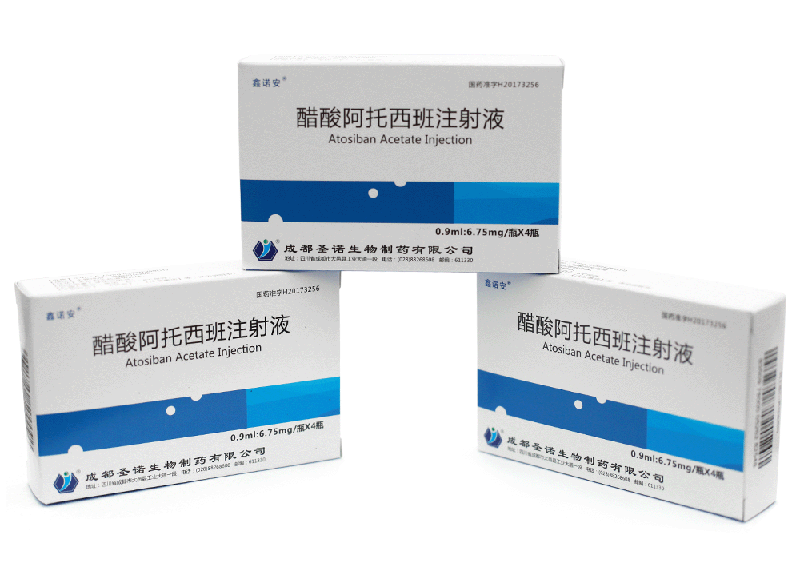
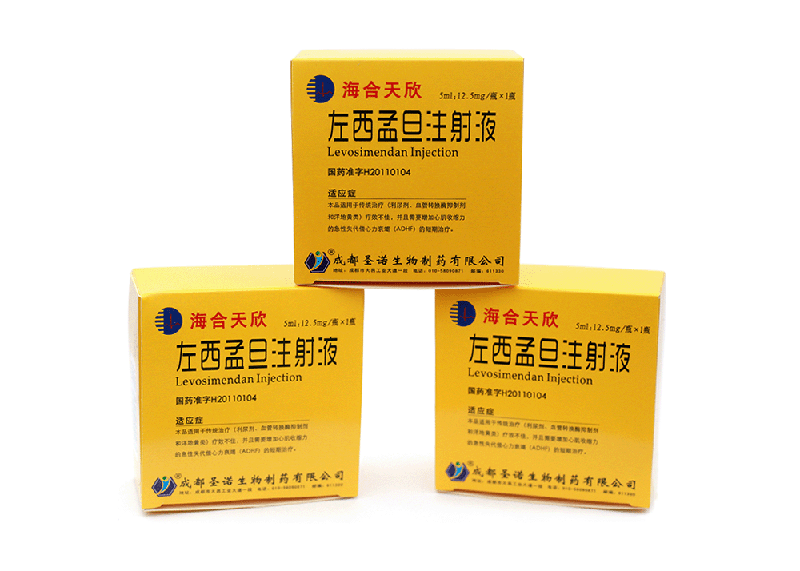
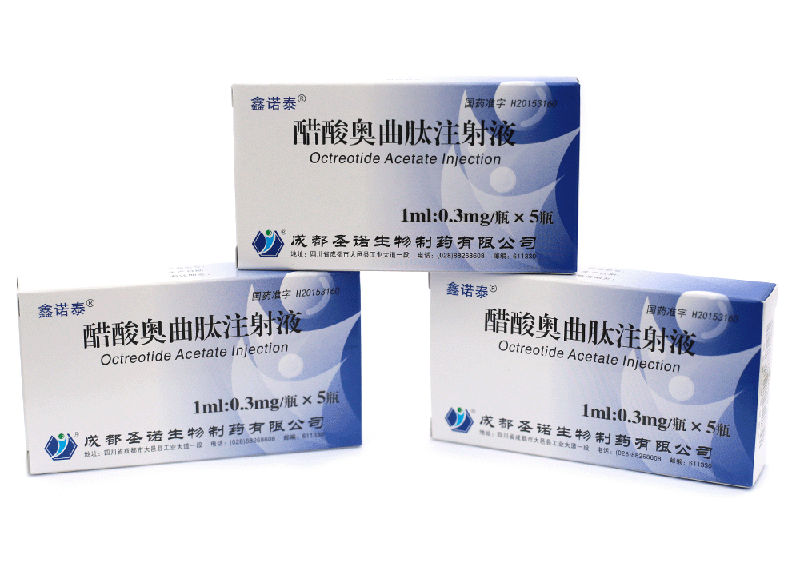
[usage and dosage]
Subcutaneous injection (intramuscular or intravenous injection should not be performed) immediately after dissolving with 1ml of water for injection.
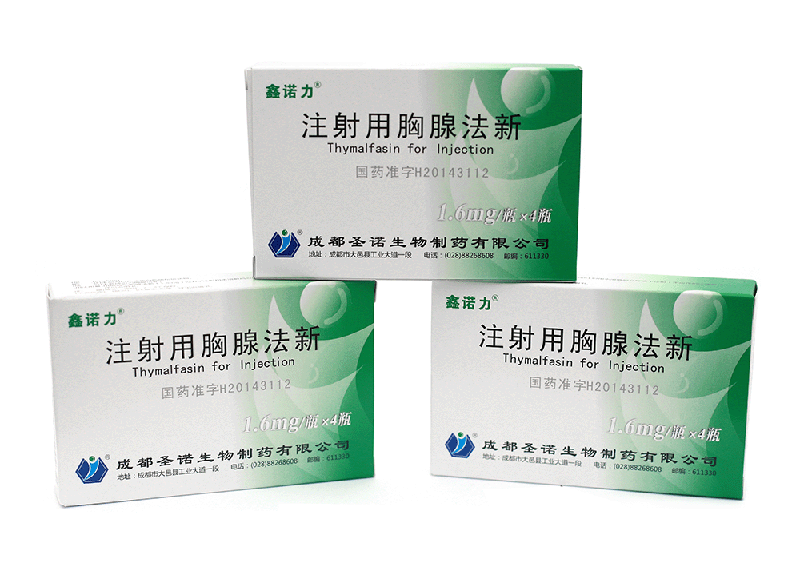
Recommended dose for chronic hepatitis b: 1.6mg twice a week, 3 to 4 days apart. Continuous administration for 6 months (52 needles in total) should not be interrupted.
As a vaccine immune response enhancer for patients with immunocompromised diseases: 1.6mg each time, twice a week, 3 ~ 4 days apart, 4 weeks (8 shots in total), the first shot should be injected subcutaneously immediately after the vaccine is given.
【 storage 】 shading, airtight, 2 ~ 8 ℃.
Please refer to the product manual for details
[merchant call]
Contact person: Ms. Tan 15680697679 (thymus injection method for new sichuan region)
Ms. Mo 13817013988 (thymus injection method new Shanghai area)
Ms. He 15040211981 (thymus injection method for new liaoning)
Mr. Fu 13666265280 (thymus injection method for new areas)
Ms. MAO 13979132120 (thymus injection method for new jiangxi)
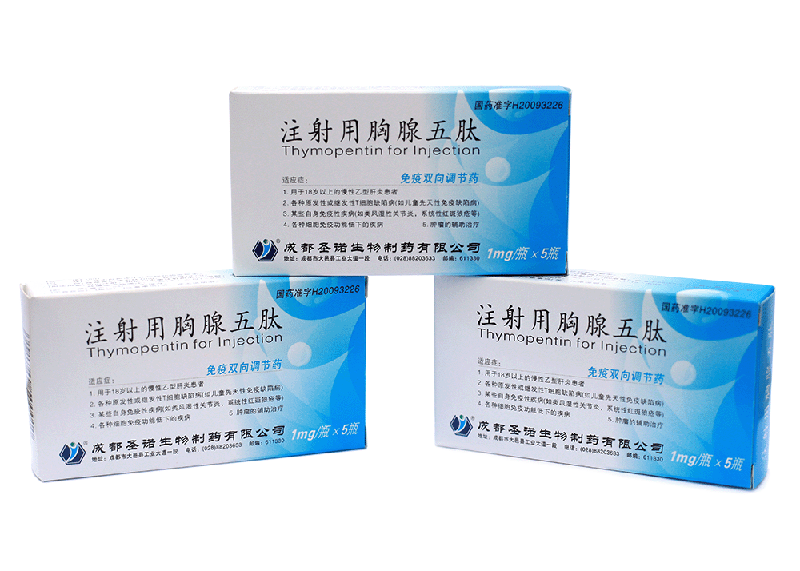
Due to the lack of contraindication data, this drug should not be mixed with other drugs. If other drugs need to be given intravenously, they must be given in other parts of the body to ensure the speed of administration.
Once the bottle is opened, the product should be diluted rapidly. Dilute solution should be used within 24 hours after preparation.
[adverse reactions]
Maternal adverse reactions are generally mild. Adverse reactions occurred in 48% of patients in clinical trials. Adverse maternal reactions are as follows:
Very common (> 10%) : nausea
Common (1-10%) :
Central and peripheral nervous system: headache, dizziness
Gastrointestinal system: vomiting
Whole body: hot flashes
Cardiovascular: tachycardia, hypotension
Local: injection site reaction
Metabolism and nutrition: hyperglycemia
Uncommon (0.1 ~ 1%) :
Systemic: fever
Mental aspect: insomnia
Skin and accessories: itching, rash
Rare (< 0.1%) :
Unexpected cases of uterine bleeding and uterine tonus deficiency have been reported. The incidence in clinical trials was no higher than in the control group.
One case of anaphylaxis thought to be associated with atosiban has been reported.
For newborns, clinical trials did not show any specific adverse effects of atosiban. The incidence of adverse events in infancy is similar to that of placebo and beta receptor agonists within the normal variation range.
【 taboo 】
Atosiban cannot be used if:
- gestational age less than 24 weeks or greater than 33 feet
- premature rupture of membranes greater than 30 weeks of gestation
- intrauterine growth retardation and abnormal fetal heart
- prenatal uterine bleeding requires immediate delivery
- eclampsia and severe preeclampsia require immediate delivery
- fetal death in utero
- suspected intrauterine infection
- placenta previa
- early placental detachment
- any condition in which continued pregnancy is harmful to the mother and fetus
- known to be allergic to active substances or any other excipients
[matters needing attention]
In women with premature rupture of membranes that cannot be excluded, the use of atosiban should weigh the potential risk of delayed delivery against the risk of chorionitis.
There is no experience of using atosiban in patients with hepatic and renal insufficiency (see [usage and dosage] and [pharmacology and toxicology]).
There is a lack of experience with atosiban in patients with placental abnormalities.
The clinical experience of using atosiban in multiple pregnancies or at 24-27 weeks of gestation is limited, and the benefits of atosiban for such patients are uncertain.
Atosiban can be used repeatedly, but the clinical experience of repeated use of atosiban (up to 3 times) is limited (see [usage and dosage]).
In cases of intrauterine growth delay, continuation and resumption of atosiban treatment depends on an assessment of fetal maturity.
Uterine contractions and fetal heart rate should be monitored during treatment with atosiban.
As an oxytocin antagonist, atosiban can theoretically promote uterine relaxation, so postpartum uterine contractions may be poor and postpartum bleeding may occur, so postpartum blood loss should be monitored. However, no adverse postpartum uterine contractions have been observed in clinical trials.
[medication for pregnant and nursing women]
Atosiban should only be used if the pregnancy is diagnosed as premature at 24 to 33 weeks of gestation.
No effect on lactation was observed in clinical trials of atosiban. Small amounts of atosiban can be secreted into milk through plasma.
Preclinical studies have not shown that atosiban is toxic to the fetus. There is no data on fertility and yi development in early embryonic yi.
[medication for children]
This product is not suitable for children.
[drugs for the elderly]
This product is not suitable for old people.
[drug interactions]
In vitro studies have shown that atosiban is not the substrate of the cytochrome P450 system or the cytochrome P450 enzyme that inhibits drug metabolism, so atosiban does not participate in drug interactions mediated by cytochrome P450.
Clinical studies have shown that there is no drug interaction between atosiban and betamethasone in healthy women. When both atosiban and labetalol were administered at the same time, the peak concentration of blood drug of labetalol decreased by 36% and the peak reaching time increased by 45 minutes, but the bioavailability of labetalol did not change and labetalol did not affect the pharmacokinetics of atosiban.
There have been no studies on the interaction of atosiban with antibiotics ergoalkaloids and antihypertensive drugs other than labetalol.
[drug overdose]
There are few reports of excess in atosiban. There are no specific signs or symptoms of atosiban overdose. There is no specific treatment for atosiban overdose.
[pharmacology and toxicology]
Atosiban is a synthetic peptide that competitively inhibits oxytocin at the receptor level. The results of animal experiments in rats and guinea pigs showed that the binding of oxytocin receptor could reduce the frequency and tension of uterine contraction and inhibit uterine contraction. It also binds to vasopressin receptors to inhibit the action of vasopressin. No cardiovascular effects have been observed in animal studies.
In preterm labor, the recommended dose of atosiban suppresses uterine contractions and quietens the uterus. Soon after the administration of this product, uterine relaxation occurred, uterine contraction was significantly reduced within 10 minutes, and the uterine quiet state was maintained (no more than 4 contractions/hour, up to 12 hours).
The toxicity test results of rats and dogs intravenous administration of this product for two weeks, the dose is close to 10 times of the human treatment dose, or the toxicity test results of rats and dogs intravenous administration for three months show that this product has no systemic toxicity. No adverse reactions were observed when the subcutaneous injection dose was twice the treatment dose of human body.
Reproductive toxicity studies have shown that drug use in pregnant rats from implantation to late pregnancy has no adverse effects on mothers and offspring. The exposure of the rat fetus was four times the dose given intravenously to the patient. Inhibition of lactation in animals may be due to inhibition of oxytocin.
The results of in vivo and in vitro tests showed that there was no mutagenesis or carcinogenic effect.
[pharmacokinetics]
Pharmacokinetic data were obtained from clinical studies abroad.
Healthy non-pregnant women get intravenous atosiban (10-300 microns, 12 hours or more), steady-state plasma concentrations increase proportionally to doses. Intravenous atosiban infusion to women with preterm labor changes to 300 microns/min, 6-12 microns/h, to steady-state plasma concentrations (mean 442 + 73ng/ml, 298-533ng /ml) within 1 hour.
The plasma protein binding rate of atosiban in pregnant women was 46% ~ 48%. Atosiban can pass through the placenta. The concentration ratio of atosiban to maternal concentrations was 0.12 at 300 microns/min for healthy full-term pregnant women. It is not clear whether there is a fundamental difference between maternal and fetal free atosiban. Atosiban cannot enter red blood cells. The mean distribution volume of atosiban was 18.3 + / - 6.8L.
After intravenous infusion, the plasma concentration of atosiban decreased rapidly, with an average clearance rate of 41.8 + / -8.2 L/ h. The initial half-life of atosiban is 0.21 + / - 0.01 hours, and the final half-life of atosiban is 1.7 + / - 0.3 hours. The clearance rate and half-life of atosiban were independent of dose.
Two metabolites can be identified in human plasma and urine. In vitro, the main metabolite M1 was as effective as the original compound in inhibiting oxytocin induced uterine contractions. Metabolite Ml can be secreted from milk. At the second hour and the end of intravenous infusion of atosiban, plasma concentrations of the major metabolites, M1(des-(Orn8, gly-nh29)-[Mpr1, d-tyr (Et)2, Thr4] -pair, associated with pair stress, were 1.4 and 2.8, respectively. It is not clear whether Ml accumulates in the tissue. Atosiban is found in very little urine, at a concentration 50 times lower than M1. The amount of atosiban in feces is not known.
Patients with liver or renal insufficiency have no experience with atosiban therapy.
【 storage 】 avoid light, airtight, preserved in 2 ~ 8 ℃.
[packaging] silin bottle. One bottle per box.
[term of validity] 24 months.
[approval number] national drug approval letter H20184094
[production enterprise]
Company name: chengdu shengnuo biological pharmaceutical co., LTD
Production address: dayi county, chengdu city, sichuan province industrial avenue section
Zip code: 611330
Telephone: 028-88268608
Fax: 028-88203616